Supreme Court Defers Pleas Against CEC Gyanesh Kumar; Petitioners Get 10 Days to Respond to Election Commission
The Supreme Court of India on October 27 deferred the hearing of petitions challenging the functioning of the Election Commission of India (ECI) and the alleged unilateral decisions of Chief Election Commissioner (CEC) Gyanesh Kumar. The court granted petitioners 10 days to respond to the Election Commission's counter-affidavit and scheduled the next hearing for November 17, 2026. The ECI has denied allegations of unilateral decision-making, maintaining that its decisions concerning the Special Intensive Revision (SIR) of electoral rolls were taken unanimously.
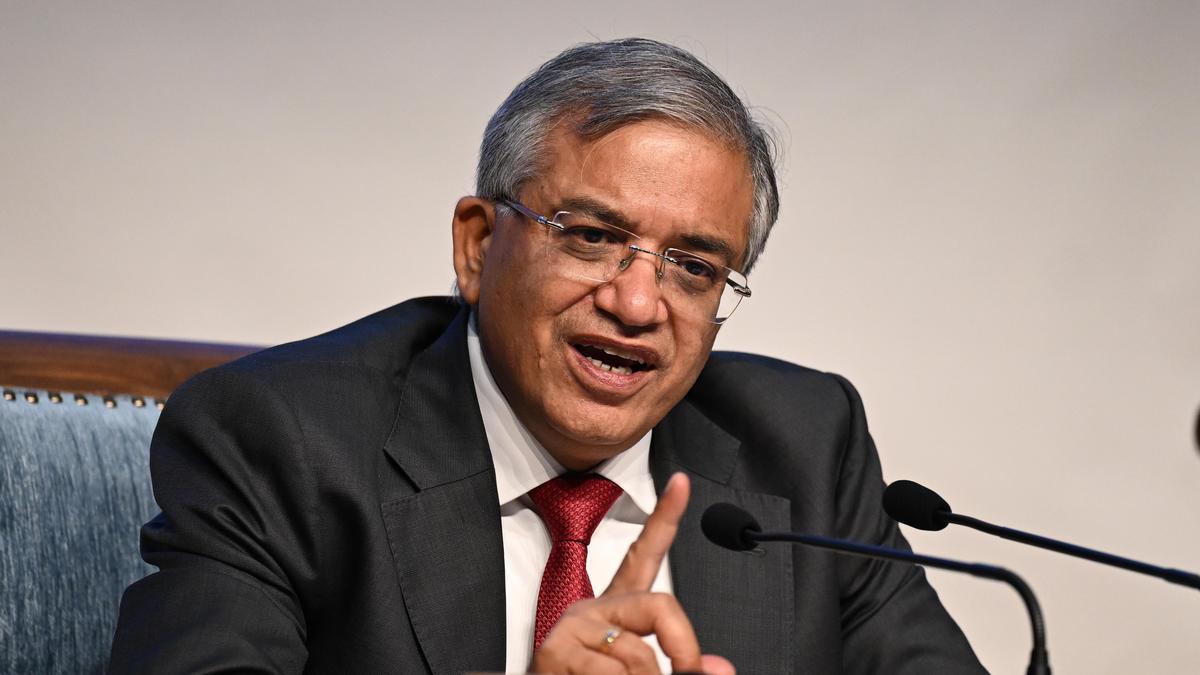
Supreme Court Defers Hearing Until November 17
New Delhi: The Supreme Court on Tuesday, October 27, postponed the hearing of a batch of petitions challenging the functioning of the Election Commission of India and the decision-making process under Chief Election Commissioner Gyanesh Kumar.
A three-judge bench headed by Chief Justice of India Surya Kant, along with Justices Joymalya Bagchi and V. Mohana, heard the matter.
The court granted the petitioners 10 days to file their responses to the counter-affidavit submitted by the Election Commission. The matter has now been listed for further hearing on November 17, 2026.
What Are the Allegations Against the Election Commission?
The petitions raise questions about whether decisions concerning the Special Intensive Revision (SIR) of electoral rolls were taken by the Election Commission collectively or whether some decisions were made unilaterally by CEC Gyanesh Kumar.
The pleas refer to reports alleging that Election Commissioners Sukhbir Singh Sandhu and Vivek Joshi had recorded objections to several decisions concerning the SIR process.
Petitioners have argued that the Election Commission is a multi-member constitutional body and that its decisions must comply with the applicable constitutional and legal framework.
Among those seeking judicial intervention are Rahul Gandhi and other INDIA bloc leaders, along with other petitioners who have challenged aspects of the Commission's functioning.
Election Commission Rejects Allegations of Unilateral Decisions
In its counter-affidavit filed before the Supreme Court, the Election Commission rejected the allegations, stating that the three orders relating to the SIR process were approved unanimously by the Commission's three members.
The Commission said the relevant orders were issued on June 24, 2025, October 27, 2025, and May 14, 2026.
The ECI also argued that observations, queries and suggestions recorded during the movement of official files should not automatically be treated as final decisions of the Commission.
It denied that Form 6, the statutory application used for registering new voters, had been amended. The Commission explained that the declaration associated with the SIR process was separate from the statutory form, while acknowledging that the online presentation could have created confusion.
Rahul Gandhi's Counsel Seeks Preservation of Records
During the hearing, senior advocate Abhishek Manu Singhvi, representing Rahul Gandhi and other INDIA bloc leaders, urged the court to direct the preservation of internal communications and file notings of the Election Commission.
He argued that these records were important to establish how the disputed decisions were taken and whether the required consultation had taken place.
The bench indicated that it would examine the issues raised in the petitions. The proceedings will continue after the petitioners submit their responses to the Commission's affidavit.
Separate Challenge Over Form 6
The hearing also addressed concerns raised by Trinamool Congress MP Dola Sen regarding Form 6 and the declaration associated with the SIR process.
Her counsel, senior advocate Menaka Guruswamy, raised objections concerning the presentation of the form and statements allegedly suggesting that the Supreme Court had approved the arrangement.
The Election Commission's counsel rejected these submissions. The allegations remain part of the legal dispute and have not been finally determined by the court.
What Happens Next?
The Supreme Court is scheduled to hear the petitions again on November 17, 2026.
The petitioners will first have an opportunity to respond to the Election Commission's counter-affidavit. The court will then consider the competing submissions concerning the Commission's decision-making process, the SIR orders and the related questions about Form 6.
The court has not issued a final ruling on the allegations against the Election Commission or CEC Gyanesh Kumar.