Eclipse Eye Damage: These Warning Signs Should Not Be Ignored
Looking directly at a solar eclipse without certified eye protection can damage the retina and cause solar retinopathy. Symptoms may appear hours later and include blurred or distorted vision, a dark spot in the centre of sight, light sensitivity and sudden visual changes. Anyone experiencing such symptoms after eclipse viewing should seek prompt eye care.
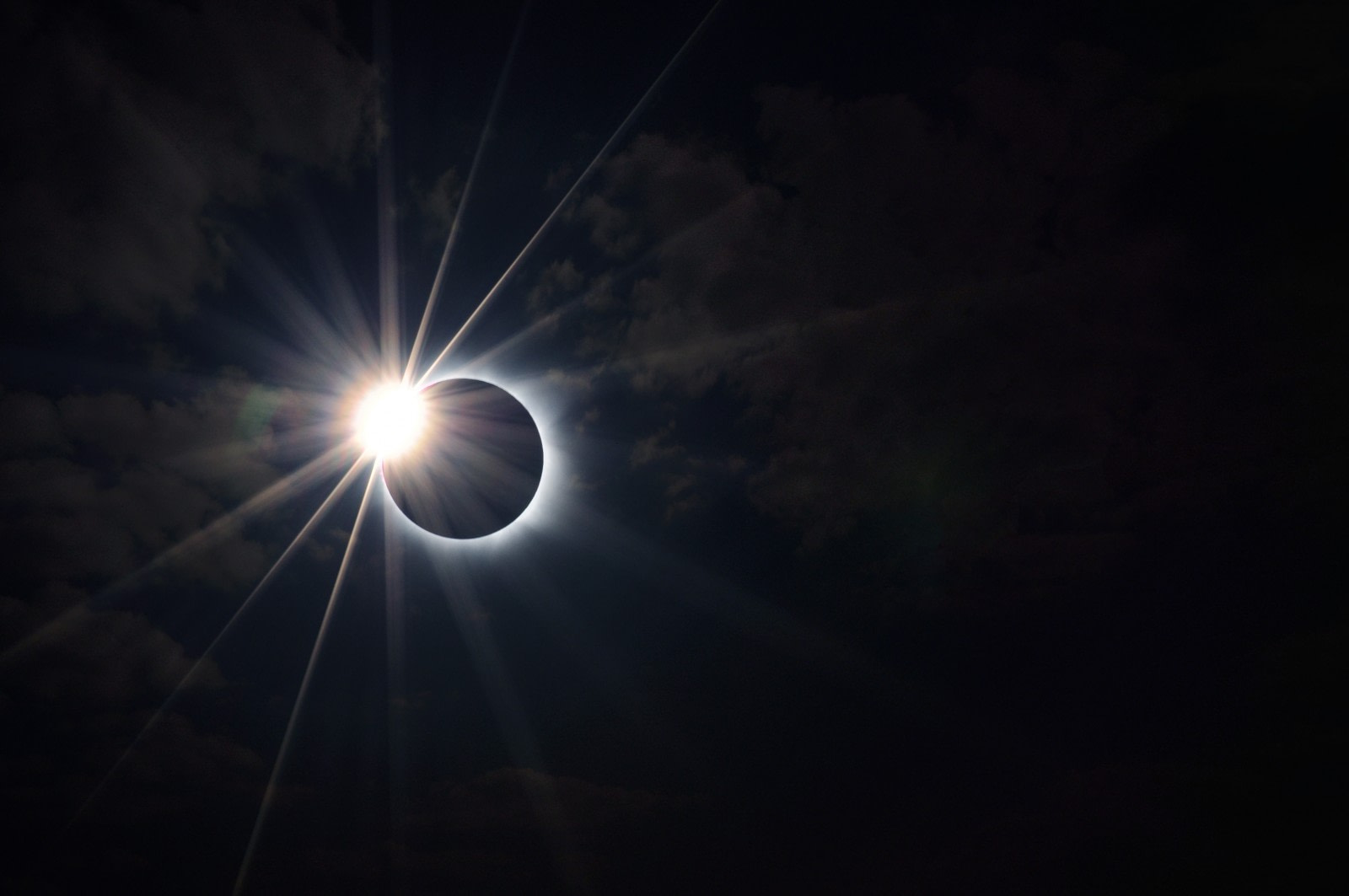
Watching a solar eclipse without proper eye protection can cause serious damage to the retina, even if the sun is viewed directly for only a short period. Eye specialists are urging people to pay attention to changes in their vision following an eclipse.
The main concern is solar retinopathy, a condition that occurs when intense sunlight and ultraviolet radiation damage the light-sensitive cells at the back of the eye. The retina does not contain pain receptors, so the injury can happen without any immediate discomfort.
This makes eclipse-related eye damage particularly difficult to recognise. A person may feel completely normal while watching the eclipse, only to notice changes in vision several hours later.
One of the most important warning signs is a dark, grey or yellow spot appearing in the centre of vision. People may also notice that straight lines look distorted or that faces, text or objects appear unusual when viewed directly.
Other symptoms can include blurred vision, increased sensitivity to light, eye redness, irritation, a gritty sensation and sudden changes in eyesight.
Medical experts say anyone who develops unexplained vision problems after looking at the sun should get their eyes examined promptly. An eye specialist can examine the retina and carry out scans to determine whether solar damage has occurred.
The risk is especially high when people look directly at the sun without certified eclipse-viewing protection. Ordinary sunglasses are not designed to block the intense solar radiation involved and should not be treated as a substitute for specially manufactured solar-viewing glasses.
The danger can be misleading during an eclipse because the moon temporarily covers part of the sun. Reduced brightness may make people less likely to instinctively look away, while the remaining sunlight can still be powerful enough to injure the retina.
Eye specialists have previously reported cases of solar retinopathy following major eclipses. During the 1999 total solar eclipse visible from the UK, dozens of people reportedly experienced eye damage, with some having looked at the sun for less than a minute.
Experts say the key message is simple: never look directly at an eclipse with the naked eye. If vision becomes blurred, distorted or develops a new central dark spot after possible exposure, medical attention should be sought without delay.
Because symptoms can take time to appear, the absence of immediate pain or discomfort does not necessarily mean the eyes are unharmed.