DR Congo Ebola Death Toll Surpasses Previous Record
The Ebola outbreak in the Democratic Republic of Congo has become the deadliest in the country’s history, with 2,325 deaths and 4,945 confirmed cases reported. The outbreak is being driven by the rare Bundibugyo species, for which no approved vaccine is currently available.
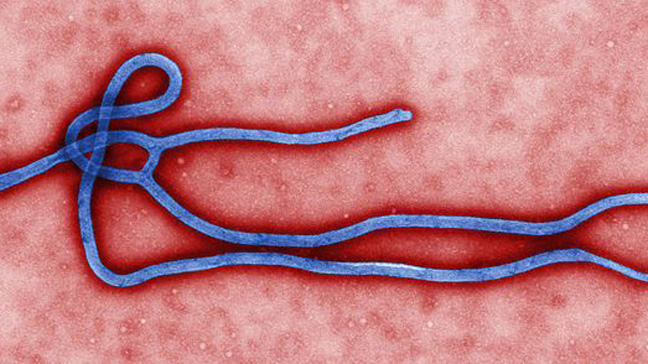
Democratic Republic of Congo: The Ebola outbreak in the Democratic Republic of Congo has crossed a grim milestone, becoming the deadliest outbreak recorded in the country. The latest figures show that 2,325 people have died since the outbreak was officially declared on May 15, surpassing the death toll recorded during the 2018-2020 Ebola outbreak.
Health authorities have reported 4,945 confirmed cases, including 101 new cases recorded in a 24-hour period. The virus has spread across six of the Democratic Republic of Congo’s 26 provinces, with health officials describing the pace of transmission as exceptionally rapid.
The current outbreak is being caused by the Bundibugyo species of Ebola. The World Health Organization has confirmed that there is currently no licensed vaccine or specific treatment for this strain, although medical research into potential vaccines and treatments is underway.
The outbreak has also raised concerns over the speed at which infections are increasing. The current crisis has crossed 2,000 deaths in a matter of months, a pace that has drawn comparisons with the major Ebola epidemic in West Africa between 2014 and 2016.
The situation is particularly challenging for the Democratic Republic of Congo because of conflict, population movement and difficulties in maintaining healthcare services across affected areas. These factors have complicated efforts to identify cases quickly, trace contacts and prevent further transmission.
The outbreak is the 17th Ebola outbreak recorded in the Democratic Republic of Congo since the virus was first identified in 1976. The WHO had earlier declared the current outbreak a public health emergency of international concern and has been supporting authorities with surveillance, contact tracing, clinical preparedness and community engagement.
Ebola is a severe viral disease that can initially cause symptoms such as fever, headache and fatigue. As the illness progresses, patients can develop vomiting and diarrhoea, with severe cases potentially leading to organ failure. Transmission occurs primarily through contact with infected bodily fluids.
The rare Bundibugyo strain has made the response more difficult because existing licensed Ebola vaccines and specific treatments are not available for it. Experimental vaccine candidates and clinical studies are being pursued as health authorities continue efforts to slow the spread.
With the death toll now exceeding the previous national record, the outbreak has become a major public health challenge for the Democratic Republic of Congo, while authorities and international health agencies continue working to bring transmission under control.