Venezuela Approves Elon Musk’s Starlink Internet Service, Lifts Ban Imposed Under Maduro
Venezuela has granted seven licences to Elon Musk’s Starlink satellite internet service, officially allowing it to operate nationwide after restrictions under former President Nicolás Maduro. The approval could expand internet connectivity, particularly in remote regions. Around 3.6 per cent of Venezuelan internet users were reportedly already accessing Starlink before its formal authorisation.
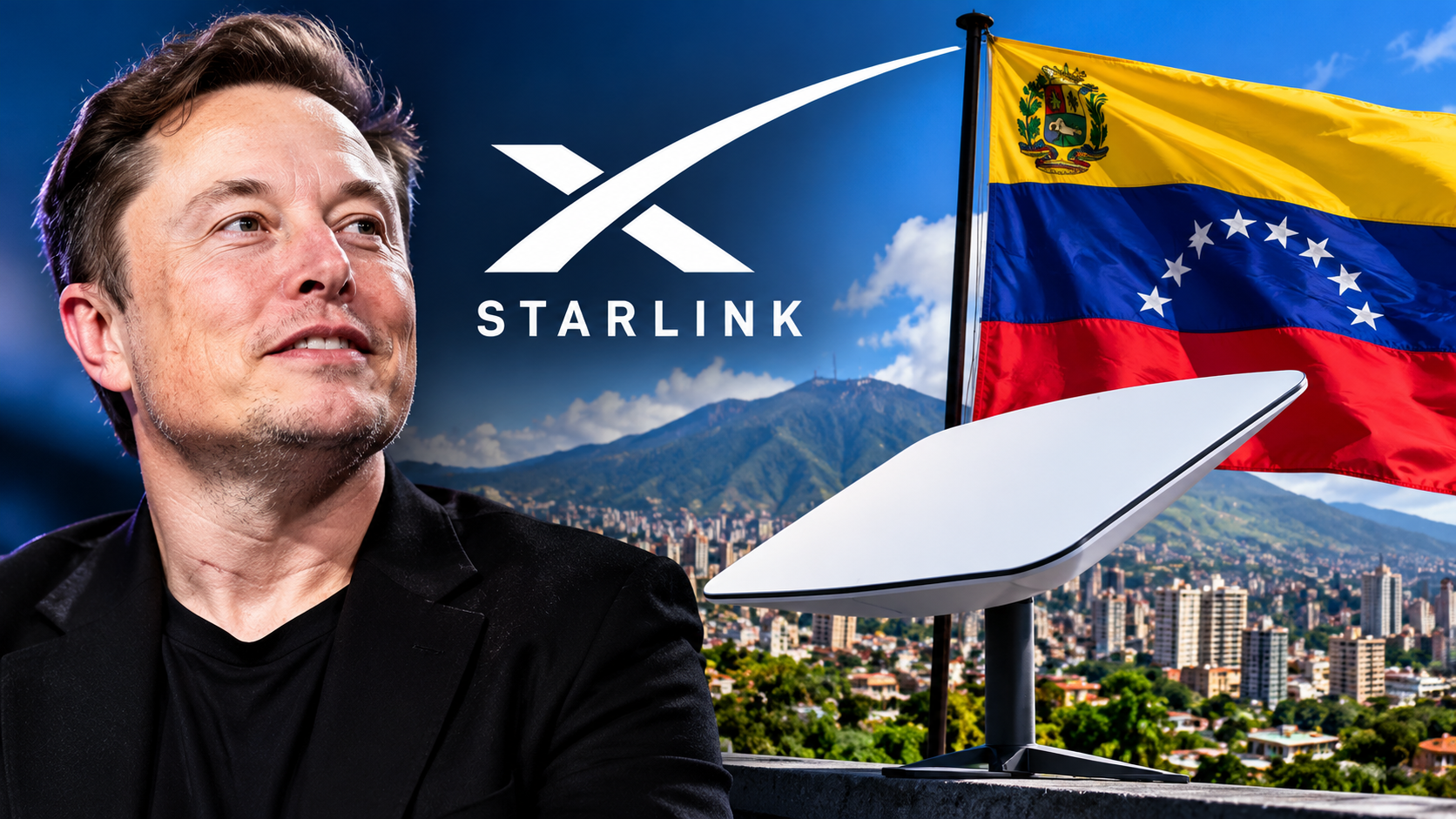
Caracas: Venezuela has officially authorised Elon Musk’s Starlink satellite internet service to operate across the country, lifting restrictions imposed during the administration of former President Nicolás Maduro.
The decision marks a significant development in Venezuela’s telecommunications sector, potentially expanding access to high-speed satellite internet in areas with limited traditional connectivity.
Venezuela Grants Seven Licences to Starlink
Venezuela’s National Telecommunications Commission (Conatel) announced on Friday that it had granted seven licences to SpaceX’s Venezuelan subsidiary, allowing Starlink to provide satellite internet services nationwide.
The approval establishes a formal regulatory framework for Starlink’s operations in the country.
Before receiving official authorisation, Starlink was already being used by some Venezuelans. According to data from the Asia Pacific Network Information Centre (APNIC), approximately 3.6 per cent of internet users in Venezuela were accessing the internet through Starlink.
Maduro Government Had Restricted Starlink Operations
Starlink faced restrictions under former President Nicolás Maduro, who frequently criticised Musk and his social media platform X.
Following Maduro’s disputed re-election in 2024, Venezuelan authorities reportedly arrested individuals involved in selling Starlink satellite antennas.
Musk was also targeted in political campaigns during Maduro’s presidency, while his social media platform X faced restrictions in Venezuela.
The situation changed following Maduro’s capture during a US military operation in January 2026, according to the report.
Starlink Previously Offered Free Internet Services
Following Maduro’s capture, Musk announced that Starlink would provide one month of free internet access to Venezuelan users.
The company also reportedly resumed free connectivity services after earthquakes struck northern Venezuela on June 24, supporting recovery efforts in affected areas, including La Guaira.
These initiatives helped expand awareness of Starlink’s satellite-based internet technology.
US Sanctions Had Complicated Starlink’s Entry
According to Andrés Azpúrua, director of the digital rights organisation VE Sin Filtro, US sanctions against Venezuela had previously created additional obstacles for Starlink.
Azpúrua explained that changes in Venezuela’s political situation reduced concerns surrounding US restrictions, although the company still needed formal approval from Venezuelan telecommunications authorities.
The latest licences address that regulatory barrier.
Satellite Internet Access Expected to Expand
Starlink operates through a network of low-Earth-orbit satellites designed to deliver internet connectivity, including in remote locations where conventional broadband infrastructure is limited.
The authorisation could improve internet availability in rural and underserved areas of Venezuela.
However, the extent of Starlink’s expansion will depend on equipment availability, subscription costs and the company's operational rollout.