ECI Row: Supreme Court to Hear Plea Against CEC Gyanesh Kumar, SIR Decisions Next Week
The Supreme Court has agreed to hear next week a petition seeking, among other reliefs, the suspension of Chief Election Commissioner Gyanesh Kumar and a declaration that powers vested in the Election Commission of India cannot be exercised unilaterally by its Chairman. The plea also raises questions over the decision-making process behind the Special Intensive Revision (SIR) of electoral rolls.
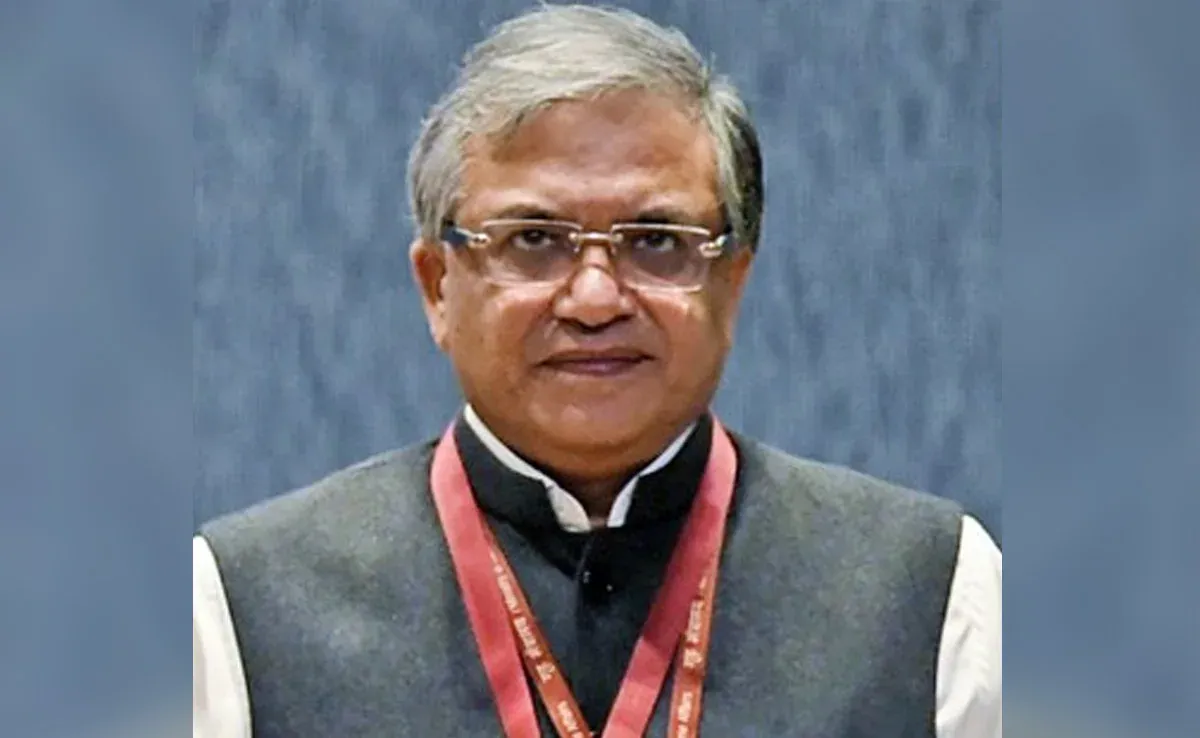
New Delhi: The Supreme Court has agreed to an early hearing of a petition challenging the functioning of the Election Commission of India (ECI) and seeking action against Chief Election Commissioner Gyanesh Kumar.
The matter was mentioned before a bench headed by Chief Justice of India Surya Kant by Senior Advocate Vikas Singh, who sought an early listing of the petition. The CJI agreed to list the matter next week.
The petition, filed by Rakesh Kumar Singh under Article 32 of the Constitution, seeks a declaration that powers vested in the ECI under Article 324 must be exercised by the Commission as a multi-member body and cannot be exercised individually by the CEC.
Questions Raised Over SIR Decision
The plea specifically raises questions over the Special Intensive Revision (SIR) exercise. During the hearing, the petitioner’s counsel referred to alleged objections recorded by the other two Election Commissioners, Sukhbir Singh Sandhu and Vivek Joshi, concerning various decisions attributed to the ECI.
According to the petition, the two Election Commissioners recorded at least 14 objections between October 2025 and August 2026 over steps they allegedly believed had been taken without the approval of the Commission. These allegations are part of the petition and have not yet been adjudicated by the Supreme Court.
The plea relies on Section 18 of the Chief Election Commissioner and Other Election Commissioners (Appointment, Conditions of Service and Term of Office) Act, 2023. The provision deals with the Commission's procedure and provides that business should, as far as possible, be conducted unanimously, while differences are to be decided by majority.
What Does the Petition Seek?
The petition seeks a declaration that communications, orders, directions or other actions cannot be represented as decisions of the ECI unless they are supported by a unanimous decision or, where there is disagreement, a majority decision.
It also seeks a writ of quo warranto concerning CEC Gyanesh Kumar, asking him to show the authority under which he allegedly exercised powers that the petitioner says belong collectively to the Election Commission.
The petition cites several disputed matters, including alleged changes to Form 6, management and access to the electoral-roll database, and appeals filed in West Bengal in connection with the SIR process.
The petitioner has also sought production of the ECI's primary records, including minutes, file notings, approval sheets and orders, saying these records are necessary to determine whether the disputed actions were authorised by the Commission.
Inquiry Also Sought
Apart from seeking suspension of the CEC while the matter is adjudicated, the petition seeks preservation and production of relevant ECI records. It also asks for an independent Judicial Inquiry Commission or Special Investigation Team headed by a retired Supreme Court judge.
The Supreme Court's decision to list the matter next week means the issues raised in the petition will now come up for judicial consideration. The allegations and legal claims in the petition remain subject to the court's examination.