Supreme Court May Intervene if Delhi Metro Station Closures Continue, Says CJI Surya Kant
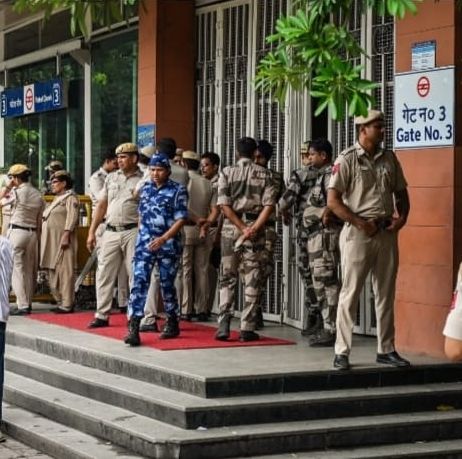
Chief Justice of India Surya Kant has indicated that the Supreme Court may step in if the continued closure of Delhi Metro stations, including the Supreme Court Metro station, is not resolved. The remarks came after concerns were raised about the difficulties faced by lawyers and court staff in accessing the court premises.
.jpeg)
New Delhi: Chief Justice of India (CJI) Surya Kant on Thursday indicated that the Supreme Court may consider judicial intervention if the continued closure of Delhi Metro stations, particularly the Supreme Court Metro Station, is not addressed by the authorities.
The observation came after Supreme Court Bar Association (SCBA) President Vikas Singh raised concerns over the inconvenience caused to lawyers, litigants, and court staff due to the closure of metro stations amid heightened security arrangements in the national capital.
Vikas Singh suggested that instead of keeping the station completely closed, authorities should allow lawyers, Registry officials, and court staff to enter after proper identity verification and security screening at the exit gates.
Responding to the concern, CJI Surya Kant stated that if the issue continues and authorities fail to resolve the difficulties, the Supreme Court may examine the matter on the judicial side.
To minimise disruption in court proceedings, the Chief Justice also informed the Bar that he had passed an administrative order directing that no adverse orders should be passed solely because lawyers are unable to appear in court due to the metro closures.
The metro station closures are part of heightened security measures in Delhi amid ongoing protests and demonstrations in the city. However, the restrictions have significantly affected daily access to the Supreme Court for advocates, litigants, and court employees.
The Supreme Court's observations underline the need to balance public security with uninterrupted access to judicial institutions and essential public services.