Nepal Flood Rescue: 121 Hydropower Workers Feared Trapped in Tunnels as Search Operation Intensifies
Rescue teams in Nepal have intensified their search for more than 100 hydropower workers feared trapped inside tunnels following catastrophic floods along the Nepal-China border. Officials estimate that around 121 of the 900 missing people associated with hydropower projects could be inside tunnel networks, raising hopes that survivors may still be found.
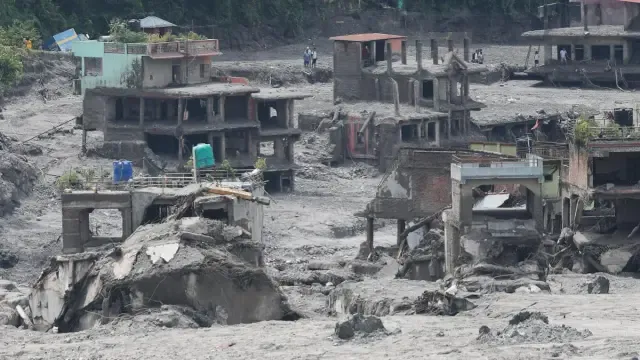
Rescuers Focus on Hydropower Tunnels
Nepali authorities are concentrating rescue efforts on a vast network of tunnels connected to hydroelectric power projects in the flood-hit areas.
Army rescuers estimate that around 121 people among the missing hydropower workers may have been inside tunnels when the disaster struck. Officials cautioned that others could have been working elsewhere at the power plants.
Rescuers believe some workers may still be alive because several tunnels contain air pockets, rooms and other spaces where people could potentially survive for extended periods.
Four Survivors Rescued in Recent Days
Recent rescue operations have provided a glimmer of hope. Four people have been pulled alive from the disaster zone in recent days.
A Chinese national was rescued from a tunnel on Saturday, while two hydropower workers were rescued from another tunnel on Friday. A Nepali woman was also found alive after being trapped inside her buried home.
The successful rescues have encouraged teams to continue searching tunnel networks despite the difficult conditions.
Four Workers Could Still Be Alive at Chilime Project
At the Chilime hydropower project in Rasuwa district, six people remain missing, and officials believe four of them could potentially still be alive.
Lawmaker Shri Ram Neupane, who is involved in the rescue efforts, said authorities had obtained specialised equipment and identified techniques required for the operation.
Rescue teams are expected to focus on areas where workers may have been trapped following the flooding and mudslides.
Disaster Has Killed Hundreds and Left Thousands Missing
The disaster began on August 26, after a massive flow of mud and rock, triggered by the collapse of part of a glacier, crashed into a river along the Nepal-China border.
The resulting floods swept through towns and villages and buried roads and highways under mud and debris.
According to the reported figures, at least 1,380 people have been killed and more than 5,500 remain missing across Nepal and Tibet.
Nepal Appeals for International Assistance
Nepal has requested urgent international assistance and specialised rescue supplies, including:
- High-capacity drones
- Bailey bridges
- DNA testing kits
- Tunnel rescue suits
- Epidemic-prevention supplies
The equipment is expected to support rescue operations, identification efforts and relief work in areas affected by the disaster.
China Continues Search in Tibet
Chinese authorities said search operations were also continuing in Tibet, where hundreds remain missing. Officials reported recovering 12 additional bodies on Sunday.
Many of those missing in Tibet are reportedly Indians or people of Indian origin who were visiting the region for pilgrimages to Lake Mansarovar and Mount Kailash.
Chinese Foreign Ministry spokesperson Mao Ning said Beijing would continue search-and-rescue operations and would provide updated information on the disaster and rescue activities.
Nepal Observes Final Day of Mourning
Nepal marked the 13th day after the disaster, traditionally regarded as the final day of mourning in Hindu rites.
Government offices and diplomatic missions were instructed to fly the national flag at half-mast. However, no wider government programmes were planned as rescue and search operations remained underway in the flood-hit regions.
President Surveys Flood-Hit Areas
Nepal President Ram Chandra Paudel visited affected areas on Monday to assess the damage caused by the disaster.
Meanwhile, Prime Minister Balendra Shah highlighted the efforts of security personnel at the district jail in Nuwakot, one of the worst-affected districts.
According to Shah, prison officials moved 923 prisoners to a higher building before floodwaters entered the low-lying facility. Authorities also recaptured 50 prisoners who escaped after breaking through the prison wall and gates as the flooding