Ken-Betwa Project Protests Renew Debate Over Development, Displacement and Conservation
Fresh protests against the Ken-Betwa River Linking Project have reignited the debate over balancing infrastructure development with environmental conservation and the rights of local communities. While the Centre describes the project as a long-term solution to water scarcity in Bundelkhand, residents and environmental groups continue to raise concerns about displacement, forest diversion, and the project's ecological impact.
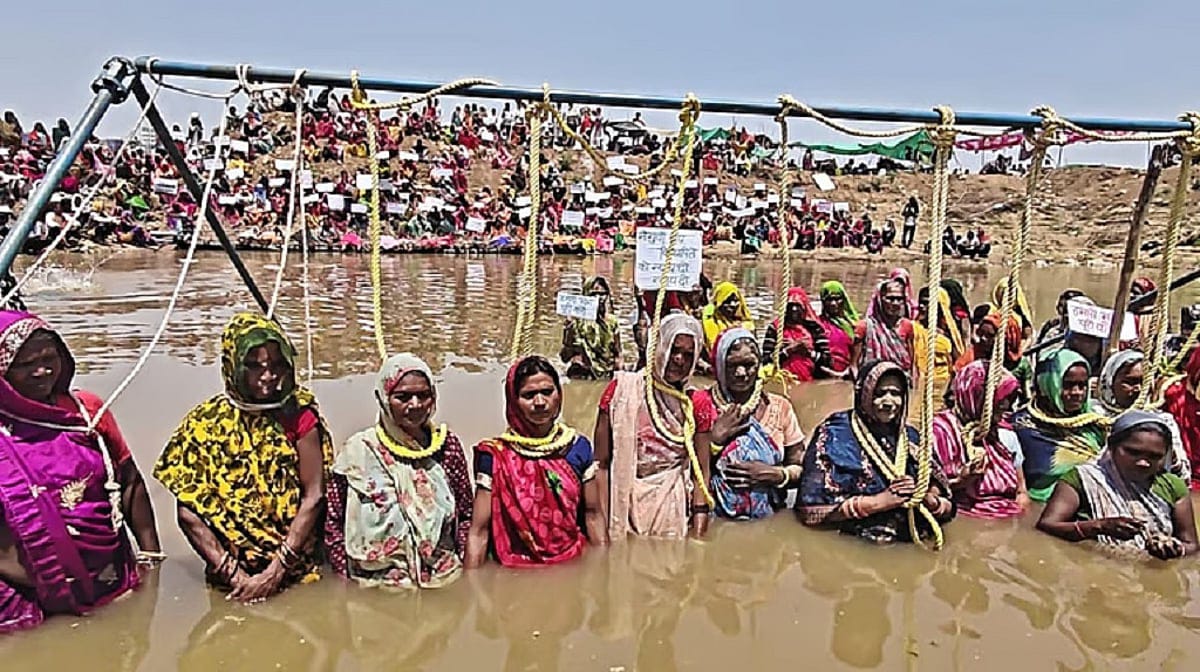
Bhopal: The Ken-Betwa River Linking Project, India's first inter-basin river-linking initiative under the National Perspective Plan, has once again become the focus of public protests, with affected villagers, tribal communities and environmental groups demanding greater transparency, stronger rehabilitation measures and a reassessment of its environmental implications.
Demonstrations have been reported from villages expected to be affected by the project's dam and canal network, with protesters expressing concerns over the loss of agricultural land, homes and forest-based livelihoods. Community representatives have urged authorities to ensure that rehabilitation and compensation measures are implemented before further construction activities move forward.
The Ken-Betwa project seeks to transfer water from the Ken River in Madhya Pradesh to the Betwa River, benefiting the drought-prone Bundelkhand region across Madhya Pradesh and Uttar Pradesh. According to the government, the project is expected to improve irrigation, provide drinking water to millions of people and generate hydroelectric power, while supporting long-term agricultural development in one of India's most water-stressed regions.
However, the project has remained controversial since its conception. Environmental organisations argue that parts of the proposed infrastructure could affect forest ecosystems, including sections of the Panna Tiger Reserve, raising concerns about wildlife habitats and biodiversity. Conservationists have called for continuous ecological monitoring and mitigation measures to minimise environmental damage.
Another key concern raised by protesters relates to the displacement of local communities. Residents have sought clarity on compensation packages, land acquisition procedures and rehabilitation plans, stating that affected families should receive adequate support before relocation. Civil society groups have also called for wider public consultations to ensure that local voices are reflected in decision-making.
Government officials have defended the project, maintaining that all statutory environmental and forest clearances have been obtained and that rehabilitation is being carried out in accordance with existing policies. They argue that the project is critical to addressing chronic water shortages in Bundelkhand and improving agricultural productivity and rural livelihoods.
The renewed protests underscore the broader challenge of balancing large-scale infrastructure development with environmental conservation and the protection of community rights. As work on the Ken-Betwa project progresses, the debate is likely to remain centred on whether developmental objectives can be achieved without compromising ecological sustainability and social justice.