Australia to Vaccinate Birds Against H5N1
Australia is set to begin a targeted H5N1 vaccination programme for vulnerable native birds, with around A$2 million worth of vaccines secured. More than 230 bird flu cases have been detected since the first Australian case in June, while wildlife deaths have already been reported. Authorities are prioritising species at the greatest risk as they monitor the spread of the virus.
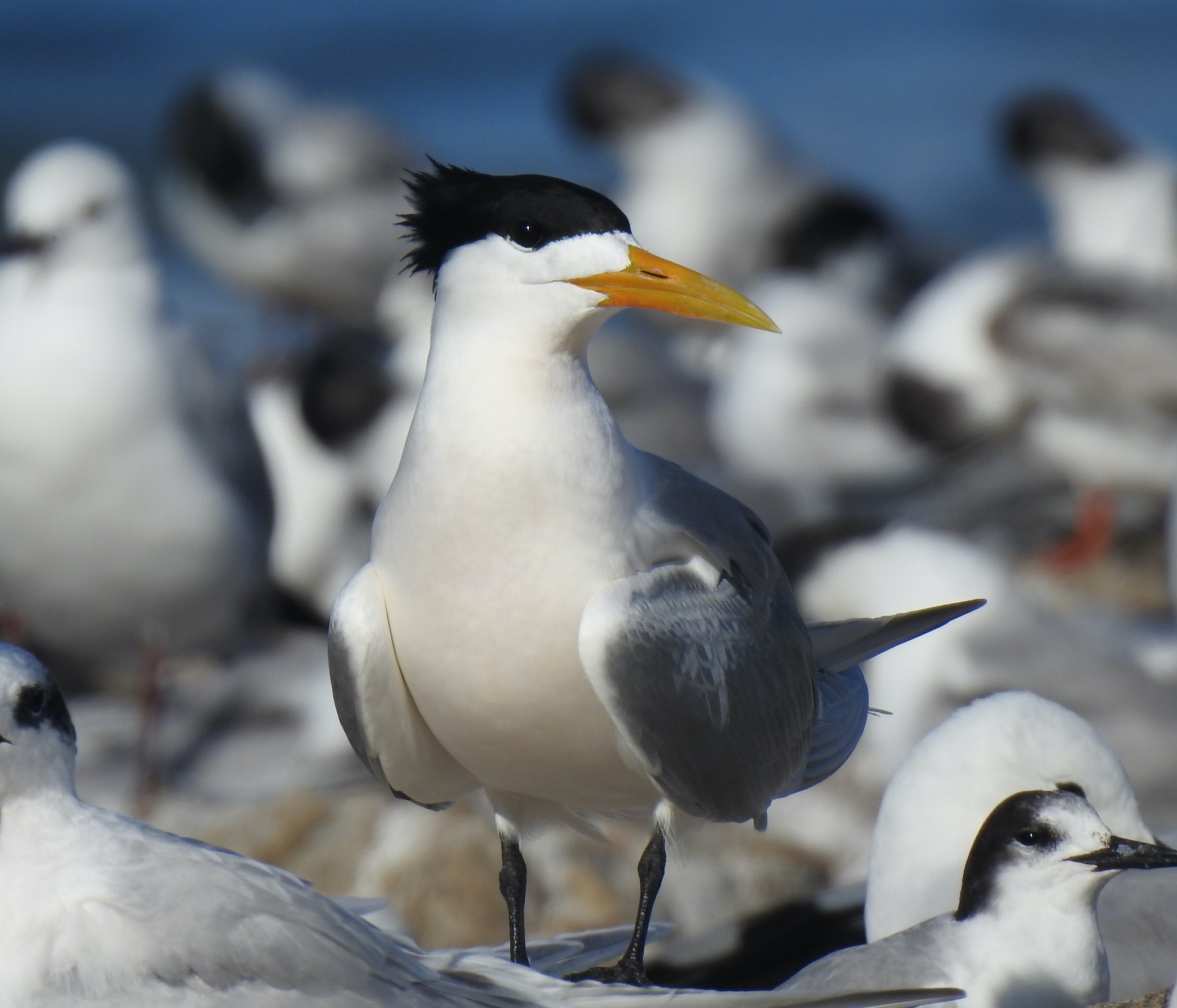
Australia: Australia is preparing to begin a targeted vaccination programme for native birds considered most vulnerable to the H5N1 bird flu outbreak, with the first doses expected to be administered in the coming weeks.
The federal government has secured around A$2 million worth of H5N1 vaccines, equivalent to approximately 1,500 vials. State and territory authorities will oversee the distribution and administration of the vaccines under a coordinated national plan.
Australia recorded its first case of the highly contagious H5N1 strain in June, making it the last continent to report an outbreak. Since then, more than 230 cases have been detected, raising concerns over the potential impact on Australia's unique wildlife.
The outbreak has already resulted in significant wildlife deaths. Around 50 greater crested terns were reported dead on an island off South Australia, marking the country's first major mass mortality event linked to the current outbreak.
The vaccination programme is not intended to immunise Australia's entire wild bird population. Instead, authorities are prioritising species considered particularly vulnerable to infection or population decline. Birds kept in captivity and selected native species are expected to be among the first groups considered for vaccination.
Officials have warned that controlling the spread of H5N1 among wild birds across such a large geographic area will be difficult. The immediate focus is therefore on protecting species that face the greatest conservation risk.
The Australian government has also assessed the vulnerability of more than 2,000 native bird and mammal species to the disease. The assessment found that several species could face an increased risk of extinction, while hundreds more could experience substantial population losses if the virus spreads widely.
Each vaccinated bird will require two doses, adding to the logistical challenge of protecting vulnerable wildlife. Authorities are expected to closely monitor the programme and the development of the outbreak as vaccination efforts begin.
So far, the government says the risk to people remains low, while there has been no reported impact on Australia's commercial poultry and broader agricultural sectors from the current outbreak.
The emergence of H5N1 in Australia has nevertheless raised serious concerns among wildlife and conservation authorities, particularly because the country is home to numerous species found nowhere else in the world. The targeted vaccination programme is therefore being viewed as an important measure to protect Australia's most threatened native birds as the outbreak develops.