Anak Krakatau Eruption Disrupts Flights, 150,000 Passengers Affected
Indonesia temporarily shut eight airports after volcanic ash from Mount Anak Krakatau spread across parts of Java and Sumatra. Authorities said around 150,000 passengers and 467 flights were affected, while alternative airports were prepared to manage disrupted services.
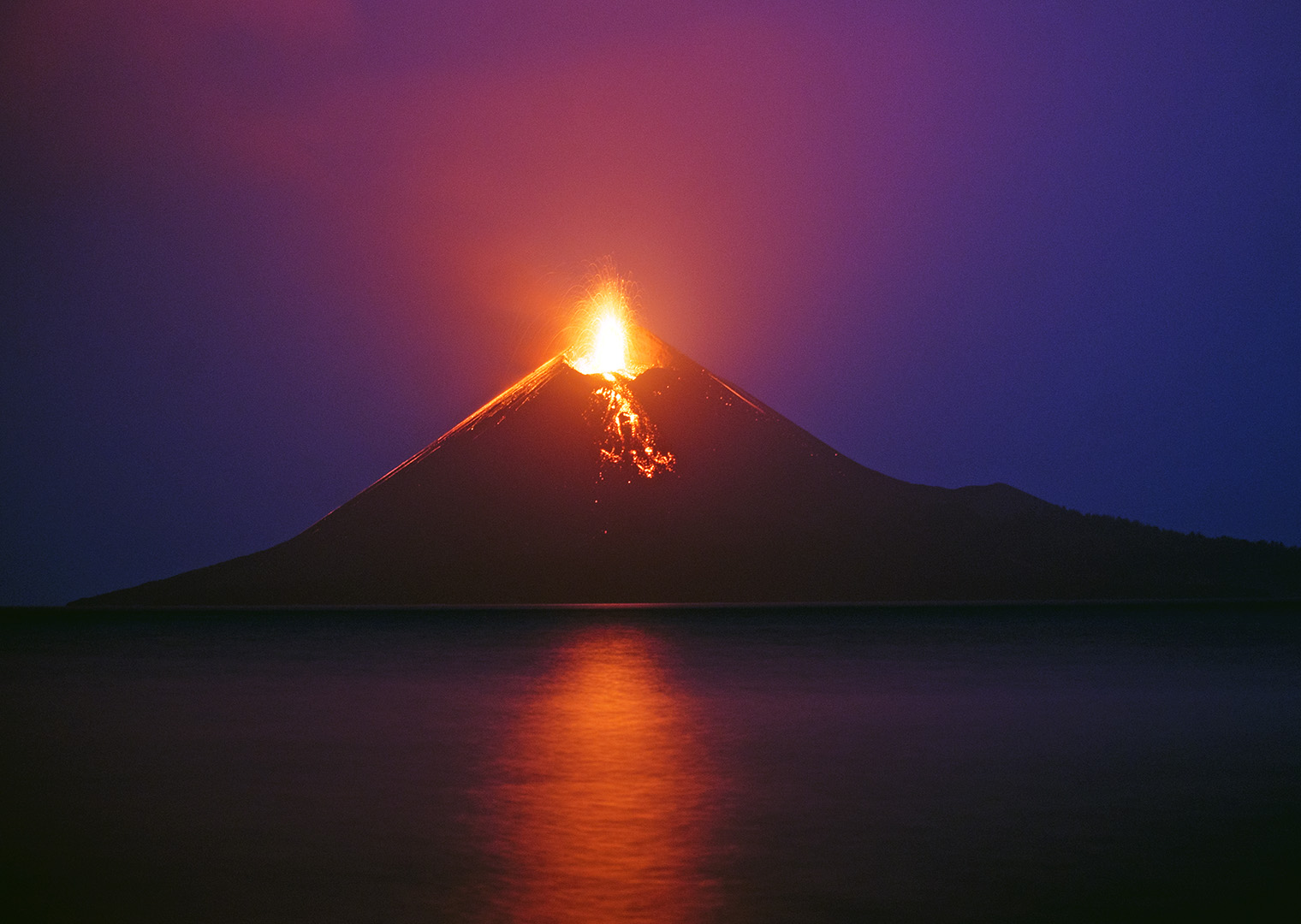
Jakarta: Air travel across Indonesia faced major disruption on Sunday after Mount Anak Krakatau erupted, sending volcanic ash into nearby airspace and forcing authorities to temporarily suspend operations at eight airports.
The eruption began late on September 4 and continued into the weekend, with lava fountains, seismic activity and powerful booming sounds reported in surrounding areas. Additional eruptions were recorded on Sunday as authorities closely monitored the volcano.
Soekarno-Hatta International Airport near Jakarta was among the airports affected after volcanic ash was detected in the surrounding airspace. The closures were later expanded to eight airports as ash movement created further risks for aviation.
Indonesia's Transportation Ministry said the disruption affected about 150,000 passengers and 467 flights, including 409 domestic and 58 international services. The affected airports included Soekarno-Hatta, Halim Perdanakusuma, Radin Inten II, Husein Sastranegara, Budiarto, Pondok Cabe, Taufik Kiemas and Atung Bungsu.
Authorities have prepared several alternative airports, including Kertajati, Semarang, Juanda, Yogyakarta and Solo, to help accommodate diverted flights. Airlines have also been asked to keep passengers informed and assist those affected by cancellations and delays.
The volcanic ash has also affected daily life in nearby communities. Schools cancelled some activities, while fishermen stayed ashore after residents reported eye irritation and other discomfort linked to the ashfall. Health authorities have advised people in affected areas to limit outdoor exposure and use protective masks.
According to Indonesia's BMKG, satellite monitoring on September 6 identified volcanic-ash clusters extending across areas including Banten, Jakarta, West Java and Bengkulu.
Despite the renewed volcanic activity, BMKG said its monitoring had detected no sea-level anomaly indicating a tsunami in the Sunda Strait as of the morning of September 6.
Anak Krakatau, meaning Child of Krakatoa, emerged from the caldera left by the massive 1883 Krakatoa eruption. The volcano became particularly notorious after a 2018 eruption triggered a tsunami that killed more than 400 people along the coasts of Java and Sumatra.
For now, Indonesian authorities are continuing to monitor the volcano and the movement of volcanic ash, with flight operations being adjusted according to aviation safety conditions.